* Estimated delivery times start from the date of shipment, excluding processing time.
* Actual delivery times may vary due to holidays, weather conditions, or customs delays.
Barkirina standard a belaş ji bo fermanên zêdetir ji $9.9
Polîtîkaya vegerê
Tiştên vegerê dê di nav 40 rojan de were qebûl kirin dema ku roja wergirtina malê ye. Tiştên xweser nayên vegerandin an guhertin. Tiştên ku bi karta diyariya elektronîkî hatine kirin tenê dikarin were guhertin; veger nayê sepandin.
Diyariya belaş
Bi xêr hatî Roymall, malpera weya pîşeyî ji bo kirîna diyariyên depoya departmanê ya premium. Em piştgirî û qedirgirîya we bilind dikin û em dixwazin spasiya xwe bi zêdekirina hêvîya kêfê ya kirînên we nîşan bidin. Dema ku hûn li vir dikirin, hûn ne tenê hilberên kalîteya bilind ên ku jiyana we baştir dikin bistînin, lê hûn ê diyariyek belaş a taybetî jî bi her fermanê bistînin. Amade ne ku koleksiyona me vedikin û diyariyên we yên bêkêmasî bibînin? Di navbijartina me ya hilberên depoya departmanê ya premium bigerin, fermanê bidin û paşê li benda diyariya belaş a we ya bi kirîna we re were.
Polîtîkaya barkirinê
Em ê piştî wergirtina fermanên we ji bo şandina tiştan bi xebatê bigirin û pê ewle bin ku ew bi ewlehî têne. Agahiyên şandinê dê di e-nameya weya pejirandinê de were dayîn.Di piraniya rewşan de, ferman di nav 2 rojan de têne sepandin.Di şert û mercên taybetî de, wê wiha dereng bibin: Dema ku hûn fermanê di şemî, yekşem an jî înên giştî de bidin, dê 2 roj dereng bibin.Normal, ew hewce dike 5-7 rojên kar (ji duşemê heta înê) bêyî ku ji hêla derengiya firînê an faktorên din yên hawîrdorê ve were bandor kirin.Ji ber ku karûbara meya şandinê li seranserê cîhanê ye, ji ber vê yekê dema şandinê dê li gor cihê we be, ji ber vê yekê heke hûn li navçeyên dûr an welatan in, hûn hewce ne ku hinekî bisekinin.
1. Polîtîkaya Vegerê & Guhertinê
Em tenê tiştên ku ji roymall.com hatine kirin qebûl dikin. Heke hûn ji belavkerên me yên herêmî an firoşgehên din bikirin, hûn nikarin wan li vir vegerînin.Tiştên firotanê yên dawî an diyariyên belaş ji bo vegerê nayên qebûl kirin.Ji bo mafdarî ji bo vegerê, tişta we divê nehatiye bikar anîn û di heman rewşê de be ku hûn wê wergirtiye. Divê ew di pakêta xweya orîjînal de jî be.Piştî ku hûn rêwerzên vegerê ji me wergirtin, ji kerema xwe tiştên xwe yên vegerandî pakêj bikin û pakêta xwe li postexaneya herêmî an kuryeyek din bihêlin.Em ê tiştên we yên vegerandî an guhartî di nav 3-5 rojên karkirinê de piştî ku em wê wergirin, bisekinin. Veger dê bixweber li ser rêbaza weya orîjînal a dayînê were kredî kirin.Tiştên ku bi awayekî xweser hatine çêkirin, di nav de mezinahiya xweser, rengê xweser, an çapa xweser, nayên vegerandin an guhertin.Heke hûn hewceyê alîkariyê bin, ji kerema xwe bi me re têkilî daynin. service@roymall.com an Whatsapp: +447549870296
2.Polîtîkaya Vegerê
Hûn ê piştî ku em pakêta vegerandî wergirin û kontrol bikin, vegerê tevahî an 100% krediya dikanê bistînin. Veger dê bixweber li ser rêbaza weya orîjînal a dayînê were kredî kirin.Ji kerema xwe bînin ku lêçûnên barkirinê û her qebzeyek an xerc nayê vegerandin. Lêçûnên zêde yên barkirinê piştî ku pakêt hat şandin, nayê vegerandin. Hûn berpirsiyar in ku hûn van lêçûnan bidin û em nikarin wan bêpar bikin an vegerînin, heta ku ferman ji me re were vegerandin.Heke pirsgirêkek bi prosesa vegerê hebe, ji kerema xwe bi me re têkilî daynin. service@roymall.com an Whatsapp: +447549870296
Descriptions:
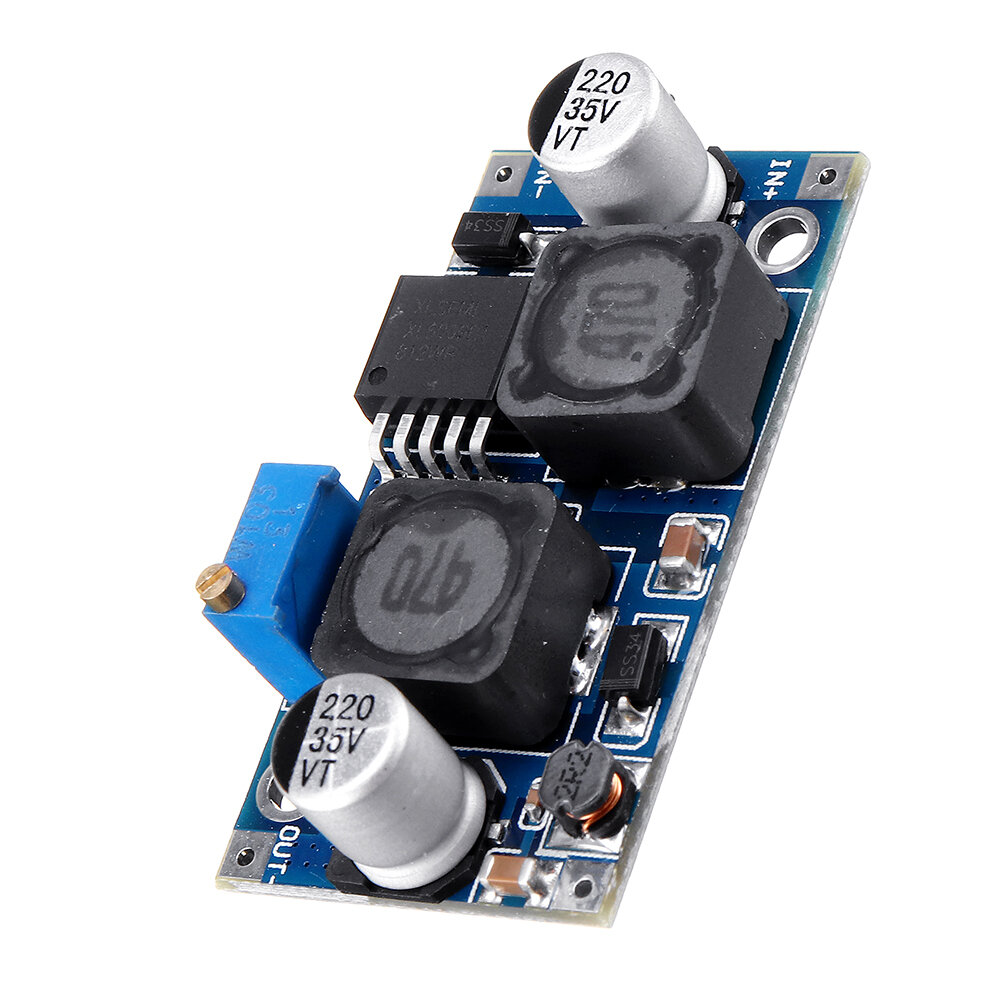
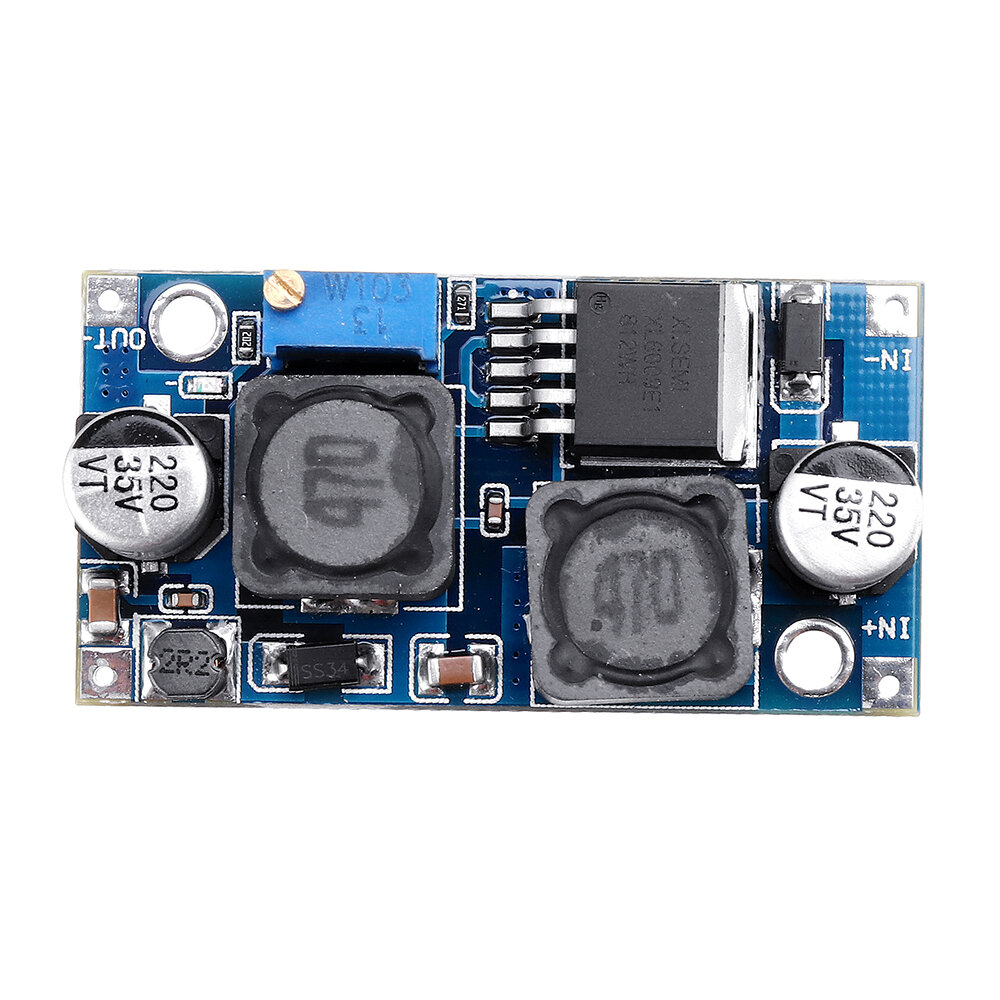
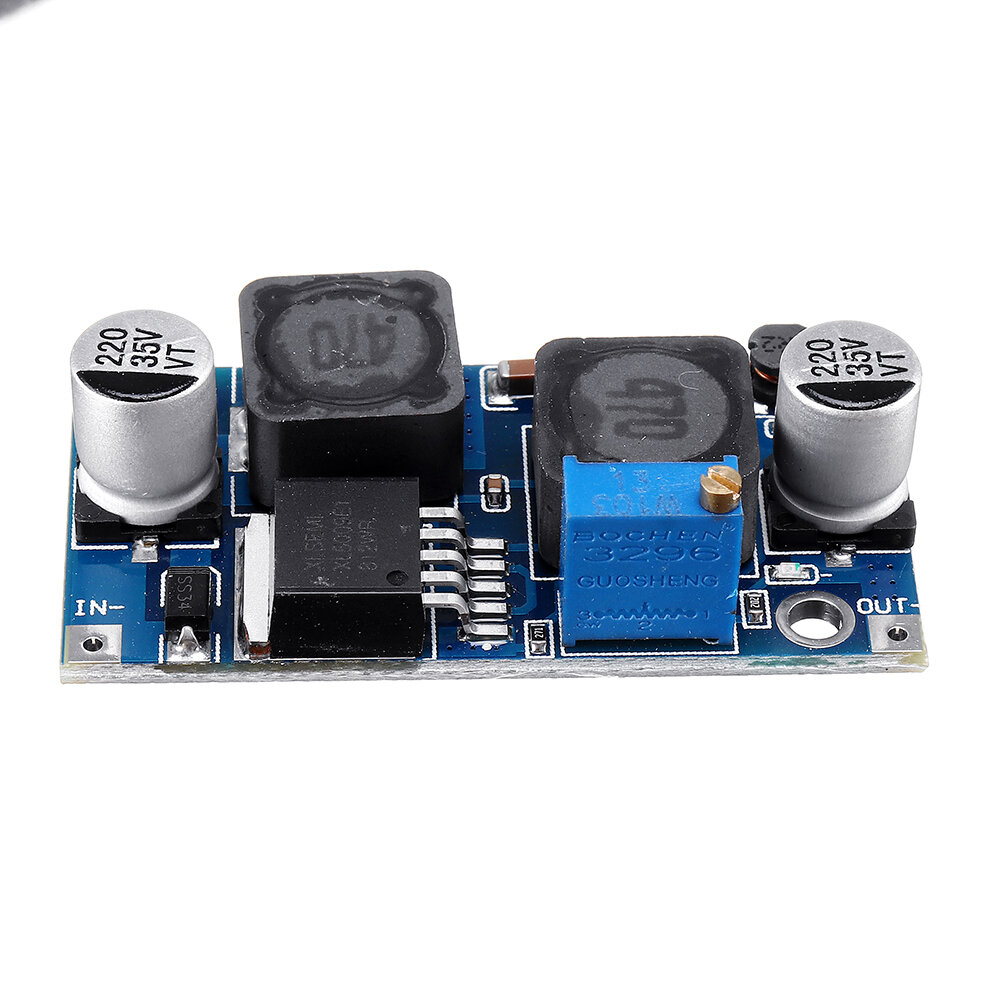
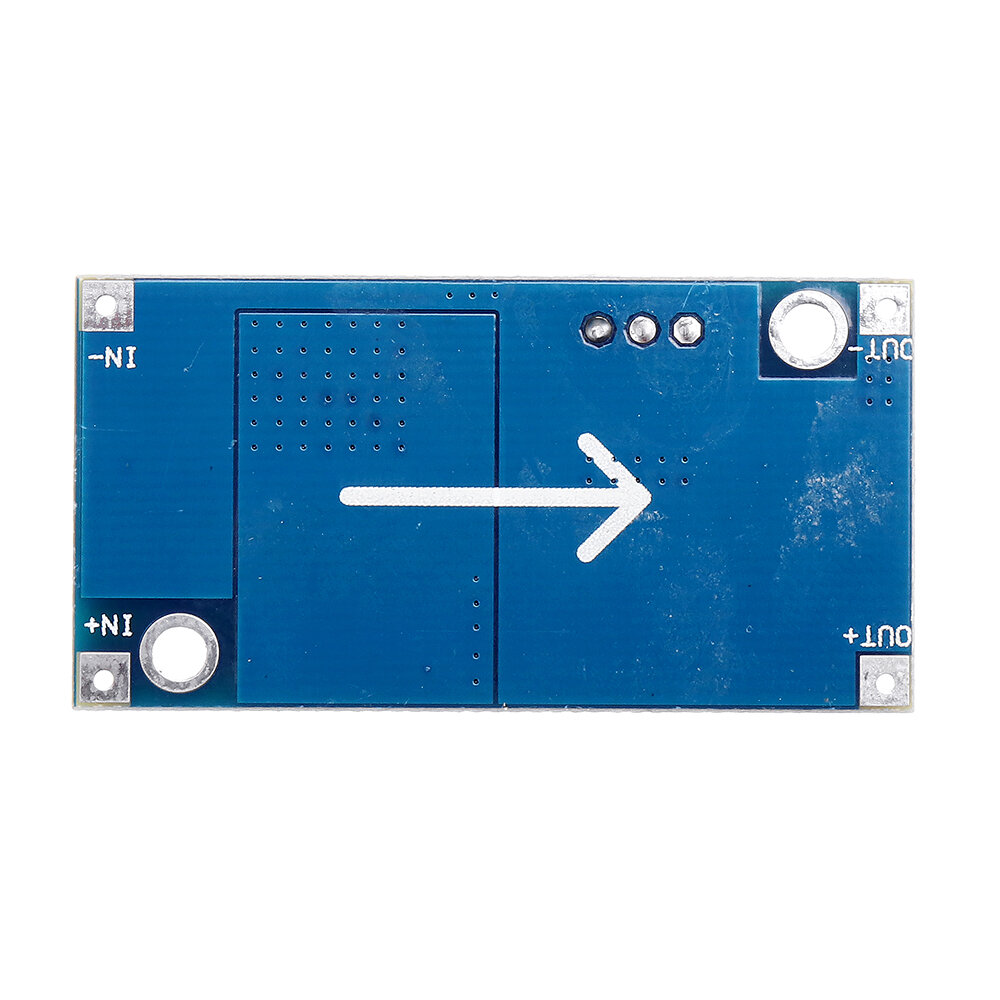
Auto start voltage will be pulled down to 7V or less, and engine will at high speed when the voltage up to 15V or higher. It is hard to work for 12V electrical equipment, this automatic buck boost module can solve this problem, regardless of the input voltage is 5V or 12V or 32V, the output can be stabilized at 12V.
Built-in 4A efficient MOSFET switches enable efficiency up to 94%; (LM2577 current is 3A)
High switching frequency 400KHz, the ripple is smaller, dimension is smaller . (LM2577 frequency only 50KHz)
Applications:
Car regulator, solar photovoltaic, wind power and other applications of voltage instability .
Specifications:
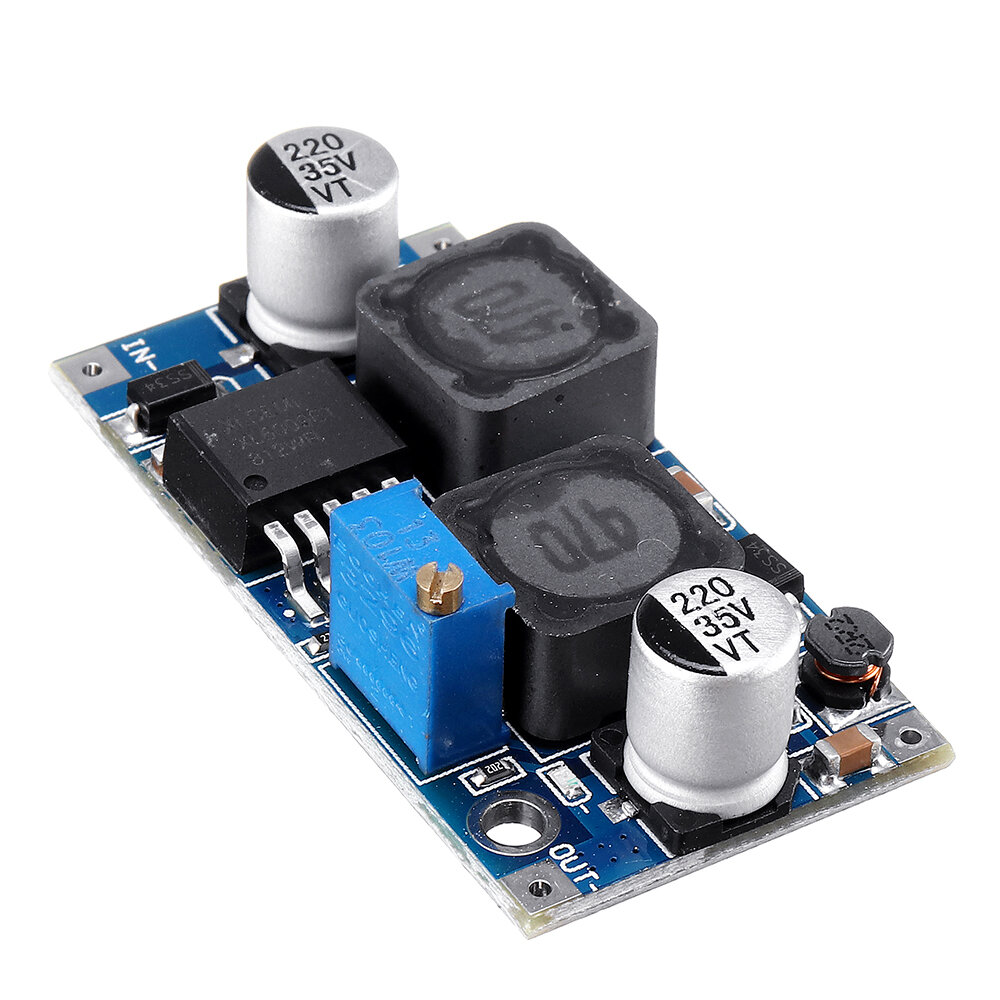
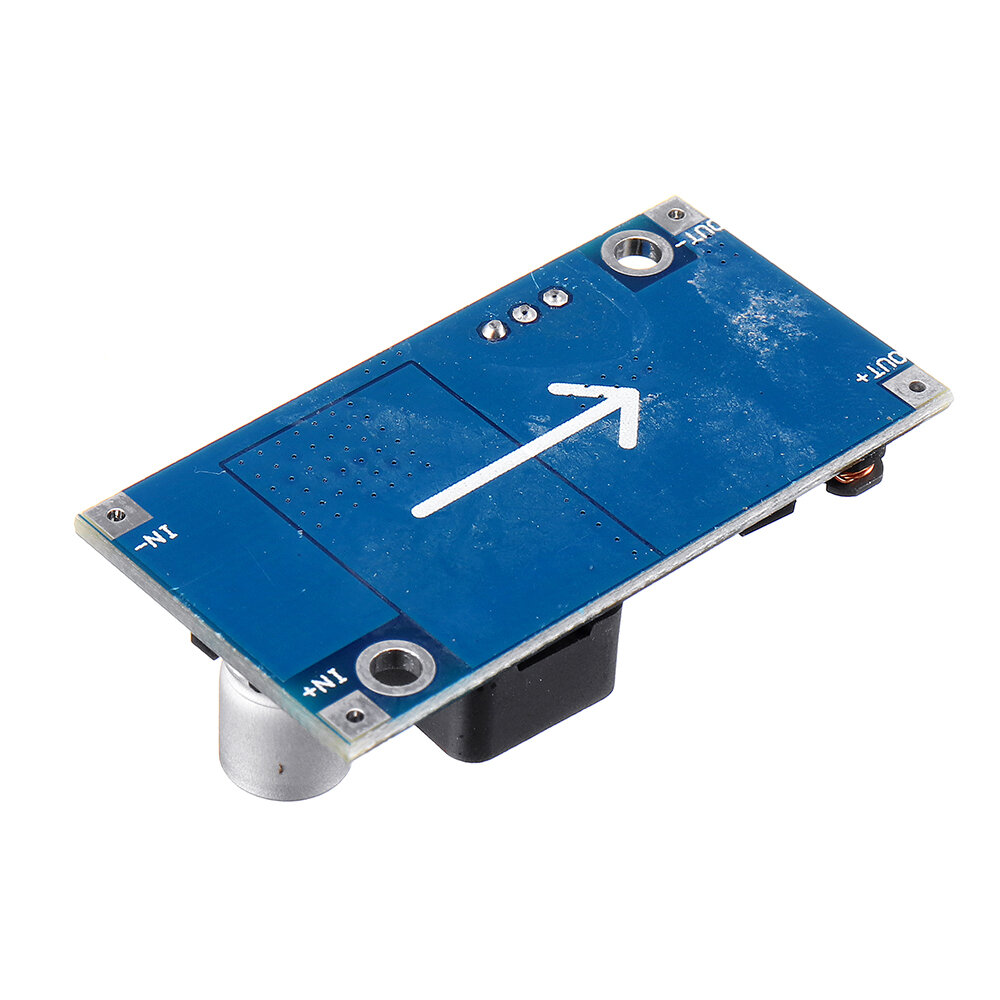
Model Specification: DSN6000AUD Automatic Buck module
Module Properties: Non- isolated boost (BOOST)
Rectification: Non- Synchronous Rectification
Input Range: 3.8V - 32V
Output Range: 1.25V - 35V
Input Current:3A ( max ) , no-load 18mA (5V input , 8V output , no-load is less than 18mA. Higher the voltage, the greater the load current. )
Conversion efficiency:<94% ( the greater the pressure , the lower the efficiency )
Switching frequency:400KHz
Output Ripple:50mV ( the higher the voltage, the greater the current, the greater the ripple )
Load Regulation:± 0.5%
Voltage Regulation:± 0.5%
Operating Temperature:-40 - +85
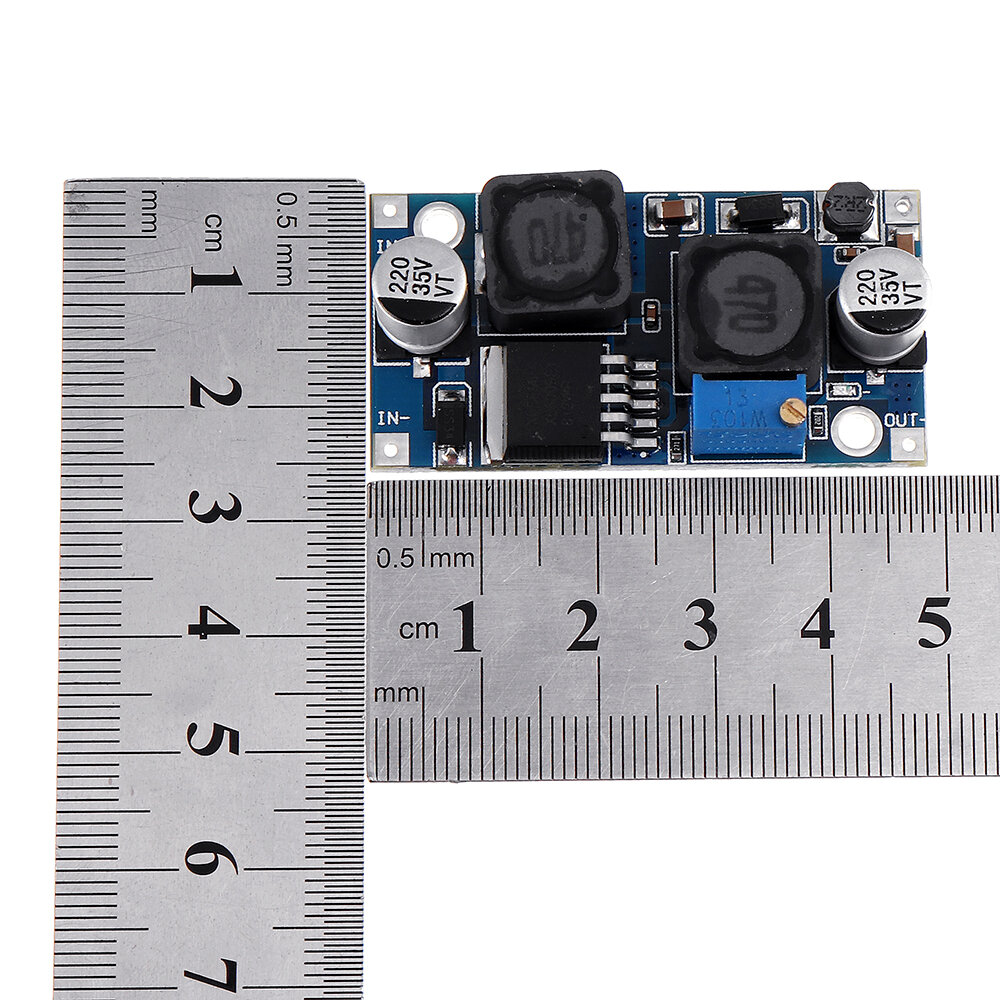
Dimensions:48mm * 25mm * 14mm ( L * W * H )
Package included:
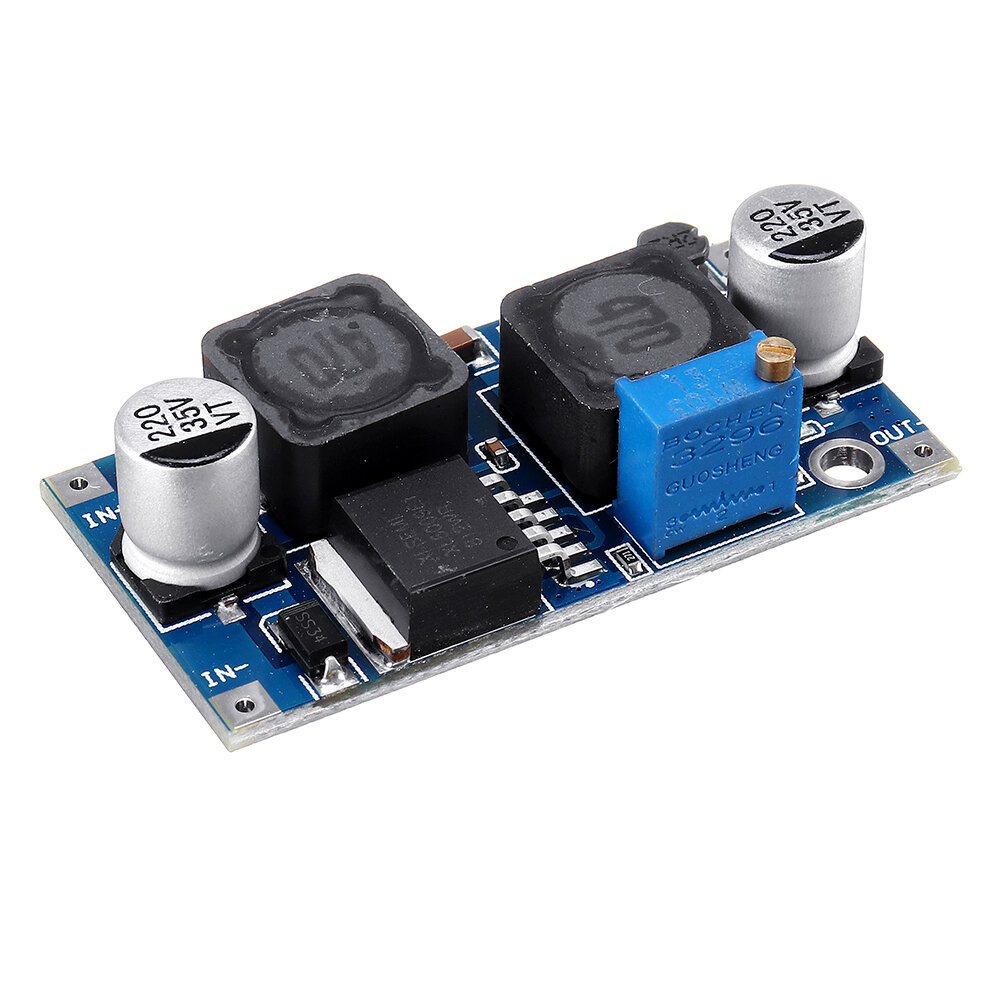
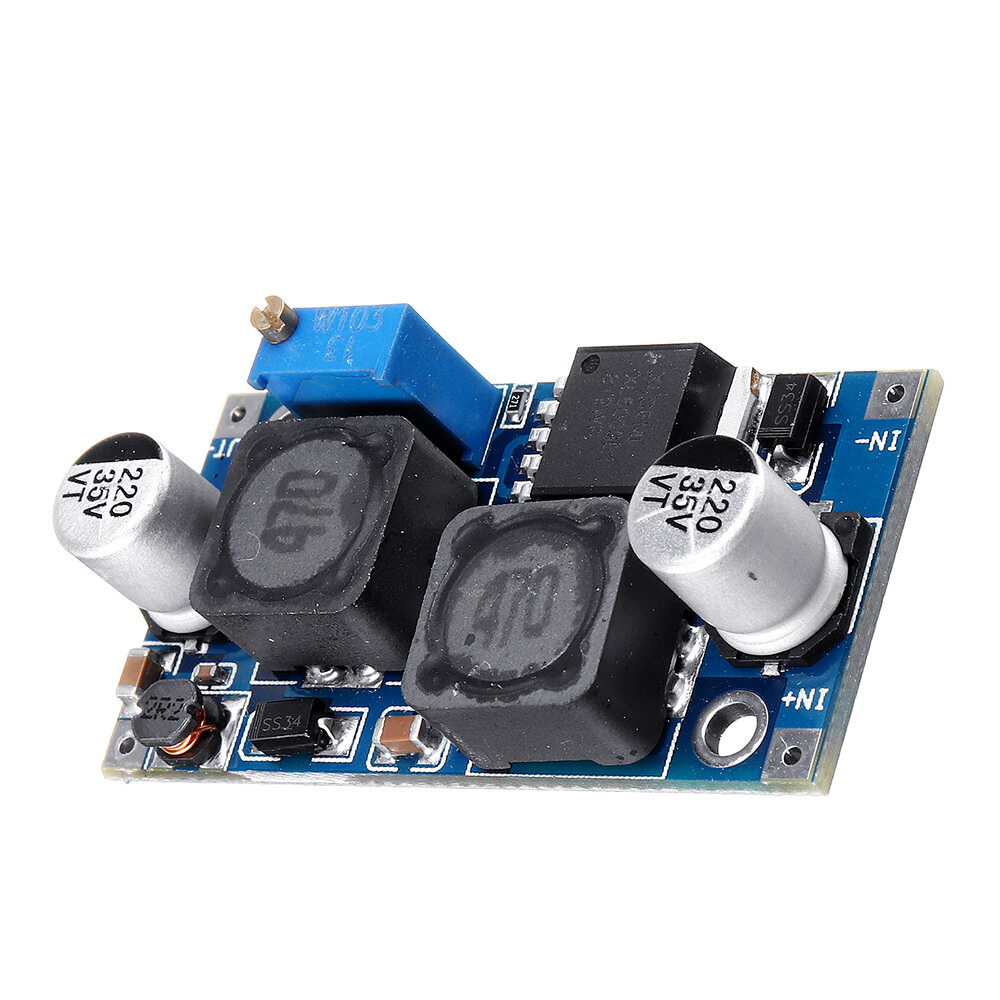
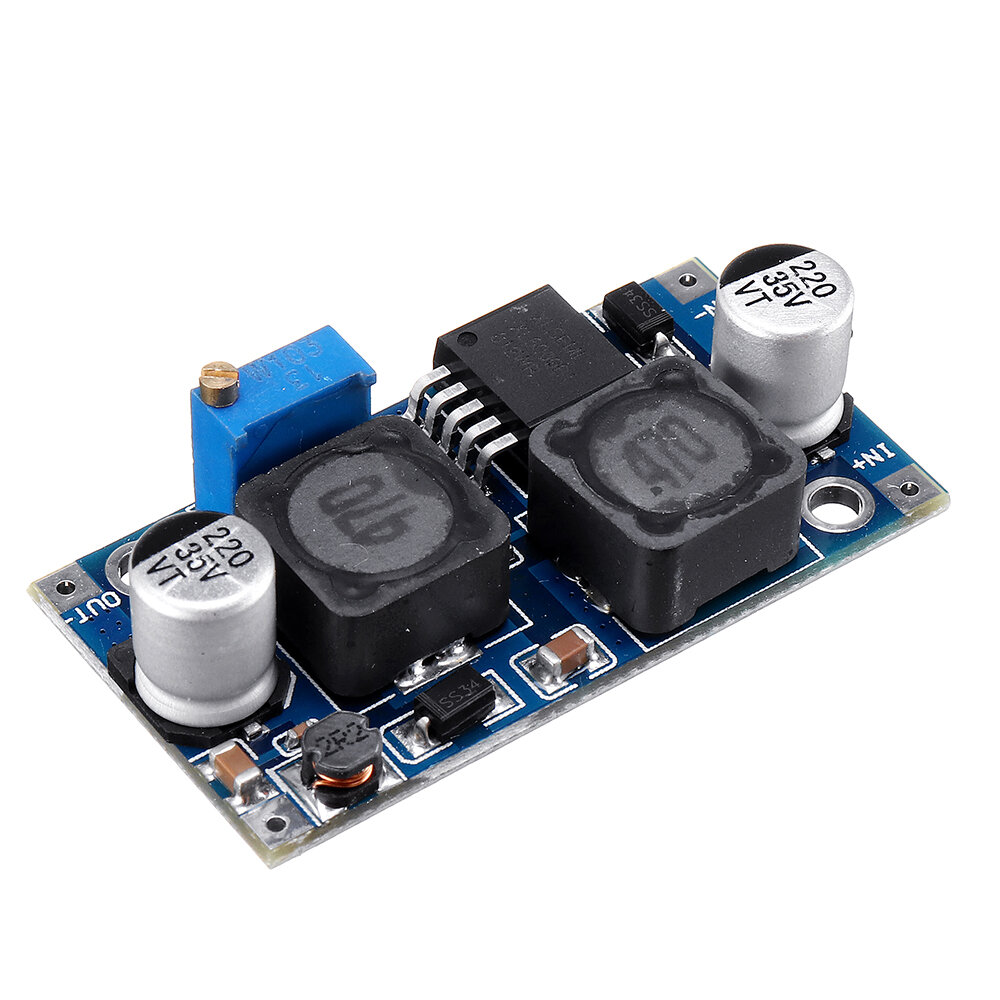
3 x DC-DC Boost Buck Adjustable Step Up Step Down Automatic Converter XL6009 Module
Just a little warning: during my tests, I lowered the input voltage and under 3.5V, the circuit doesn't cut but becomes crazy and the output (that was set to 15V with the pot.) jumps to 40V with no load. With a 2k resistor at the output, it only goes to 30V.
Of course, this is under the specified minimum voltage, but for solar applications, how can you guarantee that the input voltage will not be there?
So when it says "Module Suitable For Solar Panel" I'm suspicious. If you really want to use it like that, you could add a small circuit between the solar panels and the converter to cut it if the voltage drops under the minimum 3.8V or clamp the output with a zener (there's no voltage rating on the output capacitor so that kind of overvoltage could damage it if it is not designed to handle 40V)
Also the problem with that kind of circuit is that if you try to extract too much current from a solar cell, its voltage drops, but then the converter will try to get even more current to keep it's output and the input voltage drops even more... So you also have to add a circuit that limits the output current when the input voltage drops.
Conclusion: good circuit if you use it properly but not really appropriate for solar panels despite what it says in the title.
Works as specified if you stay in the limits.
Just a little warning: during my tests, I lowered the input voltage and under 3.5V, the circuit doesn't cut but becomes crazy and the output (that was set to 15V with the pot.) jumps to 40V with no load. With a 2k resistor at the output, it only goes to 30V.
Of course, this is under the specified minimum voltage, but for solar applications, how can you guarantee that the input voltage will not be there?
So when it says "Module Suitable For Solar Panel" I'm suspicious. If you really want to use it like that, you could add a small circuit between the solar panels and the converter to cut it if the voltage drops under the minimum 3.8V or clamp the output with a zener (there's no voltage rating on the output capacitor so that kind of overvoltage could damage it if it is not designed to handle 40V)
Also the problem with that kind of circuit is that if you try to extract too much current from a solar cell, its voltage drops, but then the converter will try to get even more current to keep it's output and the input voltage drops even more... So you also have to add a circuit that limits the output current when the input voltage drops.
Conclusion: good circuit if you use it properly but not really appropriate for solar panels despite what it says in the title.
Works as specified if you stay in the limits.
Just a little warning: during my tests, I lowered the input voltage and under 3.5V, the circuit doesn't cut but becomes crazy and the output (that was set to 15V with the pot.) jumps to 40V with no load. With a 2k resistor at the output, it only goes to 30V.
Of course, this is under the specified minimum voltage, but for solar applications, how can you guarantee that the input voltage will not be there?
So when it says "Module Suitable For Solar Panel" I'm suspicious. If you really want to use it like that, you could add a small circuit between the solar panels and the converter to cut it if the voltage drops under the minimum 3.8V or clamp the output with a zener (there's no voltage rating on the output capacitor so that kind of overvoltage could damage it if it is not designed to handle 40V)
Also the problem with that kind of circuit is that if you try to extract too much current from a solar cell, its voltage drops, but then the converter will try to get even more current to keep it's output and the input voltage drops even more... So you also have to add a circuit that limits the output current when the input voltage drops.
Conclusion: good circuit if you use it properly but not really appropriate for solar panels despite what it says in the title.
Will bu used in the future with old PC-power-supplies for variable voltages.
I have tested it with a power supply and measured the output voltage. The input was 7.2 Volts. I have used output at voltages of more than 25 V down to 1.5 Volts.
The trimmer for the output voltage is extremely sensitive (10 turn potentiometer) so that the exact voltage can be set easily.
The input voltage should be 5 Volt or higher for stable output.
Will bu used in the future with old PC-power-supplies for variable voltages.
I have tested it with a power supply and measured the output voltage. The input was 7.2 Volts. I have used output at voltages of more than 25 V down to 1.5 Volts.
The trimmer for the output voltage is extremely sensitive (10 turn potentiometer) so that the exact voltage can be set easily.
The input voltage should be 5 Volt or higher for stable output.
Will bu used in the future with old PC-power-supplies for variable voltages.
I have tested it with a power supply and measured the output voltage. The input was 7.2 Volts. I have used output at voltages of more than 25 V down to 1.5 Volts.
The trimmer for the output voltage is extremely sensitive (10 turn potentiometer) so that the exact voltage can be set easily.
The input voltage should be 5 Volt or higher for stable output.
Tips:For questions about your order, place of delivery, product discount, taxation, delivery time, warranty, shipping, payment, exchange rate, and other questions unrelated to the product, please contact customer service.
showing 1-7 of 7|
Show Original
A part of the QA has been auto-translated.
0
Q:
I used AA batteries of 11 volt. I connected two of these modules with the battery one is adjusted to 5v and another is adjusted to 12 v. If drain voltage from any one it works good,when i use both the voltage suddenly went high and damaged my electrical circuits. why?
And how did you set it, in paralel? You used to connect two circuits from one powersource, but the otputs are not isolated, so one pole is always connected from input to output, so you simply cant connect two outputs together.
Answered by brocak on 15/11/2020Helpful (0)
0
Q:
Does this module provide constant current for driving high power LEDs?
I never measured it with an oscilloscope or anything like that but I've used these for basic led strip lights drawing 3A at 5v bucked from 12v and I also boosted 5v to 12v at 2A. There was no voltage dips at that point (there is an alright smoothing capacitor on the output). I wouldn't push the much farther than that to power high drain LEDs because they got very hot how I used them. Youd want a heatsink on the regulator or maybe even a fan. At that point your better off just using a more well suited power supply I reckon.
Answered by will on 15/11/2020Helpful (0)
0
Q:
Ibought them in Nov 2019 and noticed A HUGE PROBLEM already mentioned by one buye. When the input voltage drops below 3.7V ITHE DEVICE GENERATES A HUGE VOLTAGE SPIKE of more than 50 V !!! This will likely DESTROY your equipment !
I've had the same problem! I disclamed about this phenonem to the manufacuror via BG about 2 years ago. THIS is 'Unforgivable' construction.FAULT. It seems that they haven't changed the constuction since then. SHAME ON YOU MANUFACTUROR (and a bit of shame on BG too, for NOT to correct this thing by informing the manuf.) THIS PHENOMEN WILL ABSOLUTELY DESTROY YOUR ELECTRONICS. Where does the liabelity lie? At BG or at the 'Manufacturor? A 'strange phenomen' accures with this unit: when you utterly decrase the 'Input' voltage to say < ~2,7V the unit 'suddenly' shuts of to 0V as it is supposed to do Hmm.... so there's a 'KILLER-ZONE' between ~3,3V down to; ~2,7V OMG.
Answered by KIRASE on 16/11/2020Helpful (0)
0
Q:
I want to take a 24 volt and reduce it to 20 volts will this work for me
Corrente de entrada: 3A (máx), sem carga 18mA (entrada de 5V, saída de 8V, sem carga é inferior a 18mA. Quanto maior a tensão, maior a corrente de carga.)